Many people feel sudden tooth pain or sharp sensitivity when they eat or drink. They worry a simple toothache might mean bigger damage.
A dental cavity forms when mouth bacteria eat sugar and make acid that harms tooth enamel. This can cause sensitivity, dark spots, and pain that gets worse over time.
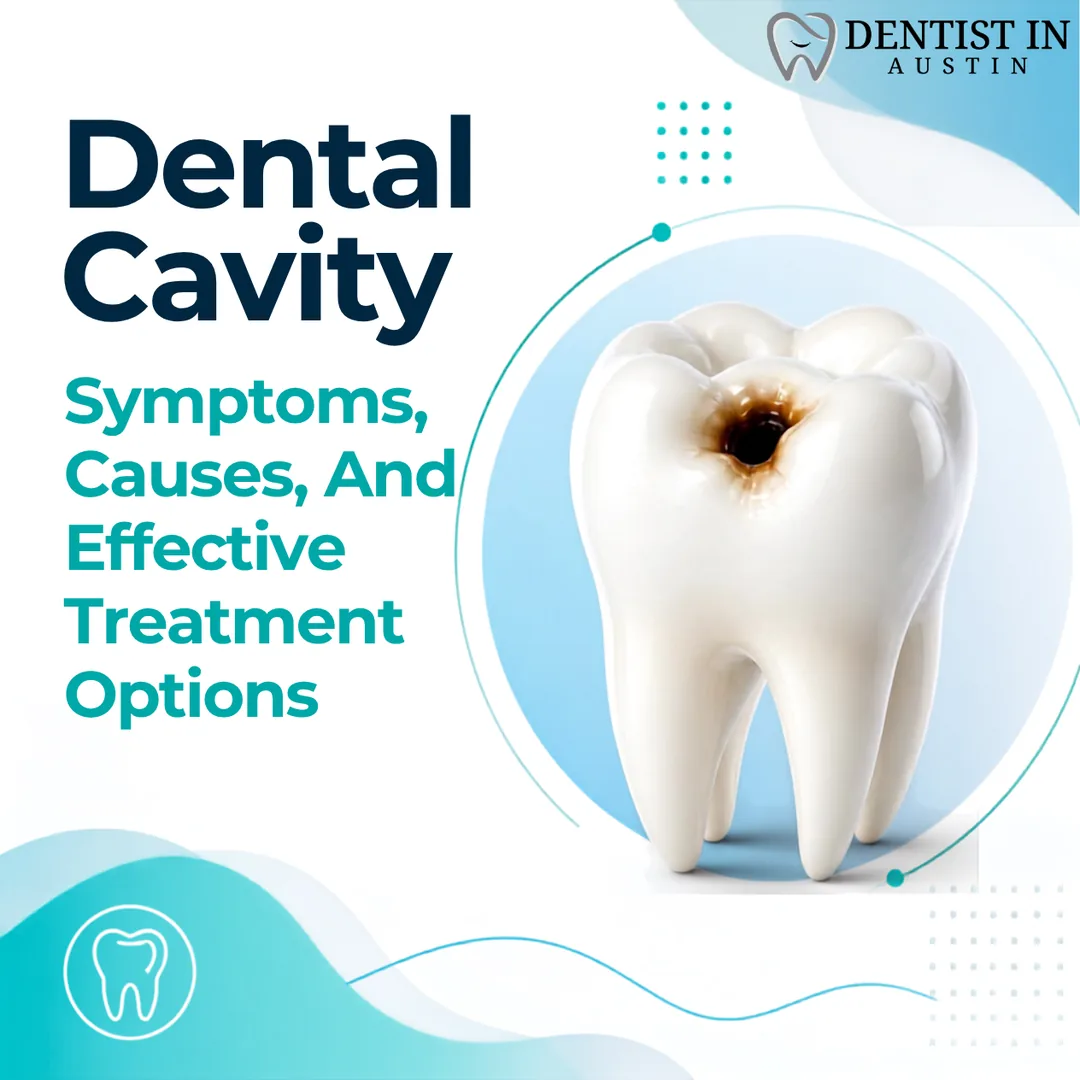
Dental cavities are damaged areas on teeth that develop into tiny openings or holes. They occur when bacteria produce acid that erodes tooth enamel, leading to decay and potential pain.
Cavities are small holes that form in teeth when mouth bacteria eat sugar and produce acid that damages tooth enamel and dentin. This process, called tooth decay, starts with plaque buildup from bacteria and food particles. Frequent snacking and sipping sugary drinks fuel the bacteria and raise the risk of cavitation.
Early decay can stop or reverse as enamel gains minerals from saliva and fluoride in toothpaste. Untreated cavities cause pain, sensitivity, and larger holes that may reach the tooth pulp and require fillings, root canal therapy, crowns, or extraction. Regular oral hygiene, fluoride use, and limiting sugar lower the chance of dental cavity symptoms and the need for extensive dental treatment.
Following the overview, the process behind cavity formation becomes clearer. Mouth bacteria feed on sugar and make acid. That acid attacks tooth enamel and causes small holes in teeth, known as tooth decay.
Plaque forms from bacteria and food particles and stays on teeth after poor oral hygiene. Frequent snacking and sipping sugary drinks speed up this damage.
Saliva can supply minerals that help enamel repair itself in early stages, and fluoride from toothpaste helps that process. Pain and sensitivity grow as decay gets closer to the nerve in the tooth.
Untreated holes can lead to infection, severe tooth pain, and the need for dental fillings or root canal therapy. Preventive care, such as brushing, flossing, and fewer sweetened beverages, cuts the risk of further cavitation.
Common symptoms of dental cavities can catch a person's attention early on. Tooth sensitivity to temperature changes or sweet foods often signals a problem that needs attention.
Tooth sensitivity to hot, cold, or sweet foods often signals enamel damage. Bacteria in the mouth eat sugar and make acid that wears away tooth enamel. A patient recalled sharp zings from coffee and ice cream before a dentist found a cavity near the nerve.
Sensitivity grows as decay approaches the tooth pulp, and pain often intensifies. Poor oral hygiene and plaque build up raise the chance of this type of decay. Early cavities can stop or reverse as saliva and fluoride help rebuild minerals in enamel.
Fluoride treatments can remineralize early spots and reduce sensitivity. Dentists use fillings for small to medium cavities to restore form and stop bacteria. Root canal therapy becomes necessary if the nerve becomes infected and pain persists.
If left untreated, cavities can lead to infection, severe tooth pain, and tooth loss. Patients who limit sugary drinks and brush with fluoride toothpaste lower plaque and future risk.
Visible discoloration or dark spots on teeth indicate potential cavities. As cavities form, they leave marks that worsen over time. Bacteria in the mouth consume sugar and produce acids, damaging tooth enamel. Poor oral hygiene leads to plaque buildup, increasing cavity risks. Early treatment can stop tooth decay before it reaches the nerve center, mitigating pain and sensitivity.
Tooth enamel can self-repair when minerals from saliva and fluoride in toothpaste are available. Missing early signs of decay makes dental treatments more complex; thus, routine check-ups are essential for spotting these issues early on.
Pain or discomfort often arises when biting down due to damage underneath the surface layer of teeth. This situation requires immediate attention from a dentist to prevent further complications like infections or severe toothaches.
Pain or discomfort when biting down often indicates a cavity. This pain arises as the decay progresses and gets closer to the nerve inside the tooth. People with cavities frequently report sharp sensations during meals, especially after consuming hot, cold, or sweet foods. Cavities create holes that compromise tooth structure; these holes make teeth sensitive and painful.
Untreated cavities can lead to serious problems like infections and abscesses. A person might notice swelling around the affected tooth or experience persistent throbbing pain that disrupts daily activities. Seeking dental help early is essential to prevent further issues and maintain oral health.
Tooth decay can progress to serious issues if ignored. Signs of infection may appear, including swelling and abscesses around the affected tooth. These symptoms indicate a deeper problem that requires immediate attention. Swelling often occurs when bacteria infect the tooth pulp, leading to inflammation. Abscesses form as pus collects in the surrounding tissues due to bacterial activity.
An infected tooth causes severe pain and can also affect overall health. If left untreated, infections may spread beyond the mouth, resulting in more significant complications. Early detection is crucial for preventing these outcomes and ensuring effective treatment options like root canal therapy or fillings are utilized before damage becomes irreversible.
Plaque builds up on teeth due to bacteria and food particles, leading to cavities. Frequent intake of sugary or acidic foods also contributes to tooth decay. Poor oral hygiene habits can worsen the situation, as can a dry mouth that reduces saliva flow. Exploring these causes helps in understanding how to prevent cavities effectively.
Bacteria in the mouth form plaque when they combine with food particles. This sticky substance coats the teeth and harbors harmful microbes. As bacteria feed on sugars, they produce acid that damages tooth enamel. Poor oral hygiene greatly increases plaque buildup, leading to a higher risk of dental cavities. Frequent snacking and sipping sugary drinks also contribute to tooth decay.
As cavities progress, they create small holes in the teeth that compromise structure and function. Early detection is crucial because it allows for effective treatments like fluoride or fillings before damage becomes severe.
Maintaining good oral hygiene helps control plaque levels and prevents unnecessary dental issues from arising.
Frequent consumption of sugary or acidic foods contributes significantly to cavity formation. These foods fuel the bacteria in the mouth that produce acid, which damages tooth structure.
Sipping on sugary drinks throughout the day increases plaque buildup around teeth. This constant exposure leads to a higher risk of developing cavities.
An observation reveals that many people underestimate how much sugar they consume daily. Even snacks labeled as healthy can contain hidden sugars that affect oral health. If someone continually indulges in these treats, they may face painful tooth decay later on.
Taking simple steps to limit these foods can help protect tooth enamel and prevent cavities from forming. Understanding how dietary choices impact dental health is essential for maintaining overall oral hygiene and preventing serious issues down the line.
Poor oral hygiene habits lead to serious dental issues. Neglecting to brush and floss regularly allows plaque buildup on teeth. This sticky film forms from bacteria and food particles. Plaque produces acid when it breaks down sugars, causing cavities that damage tooth structure. People who skip brushing their teeth invite trouble.
Those who frequently snack or sip sugary drinks increase their risk for cavity formation. These practices fuel the harmful bacteria in the mouth. Cavities can cause pain and sensitivity as they grow larger, especially if they approach the nerve inside a tooth.
Tooth decay can worsen quickly without proper care, making regular dental check-ups essential for maintaining oral health. Diagnosis through visual examinations or X-rays helps catch problems early, leading to effective treatment options for dental cavities.
Poor oral hygiene habits can lead to dry mouth and reduced saliva production. Saliva plays a crucial role in oral health. It helps wash away food particles and neutralizes acids produced by bacteria. A decrease in saliva increases the risk of cavities because harmful bacteria thrive without this natural defense.
Dry mouth often results from medications, certain medical conditions, or dehydration. Without enough saliva, tooth decay accelerates. Individuals with this condition may notice an increased sensitivity to sweets or discomfort when eating. Cavities can develop more easily since the protective layer of enamel weakens, leading to permanent damage if untreated.
Dentists often start with a visual exam to spot any signs of cavities. They may use X-rays to find hidden decay that isn't visible to the naked eye.
A dentist conducts a visual examination to spot the early signs of dental cavities. They look for visible holes or dark spots on teeth, which indicate decay. During this check-up, dentists often assess tooth sensitivity too. If patients report pain or discomfort while biting down, it raises red flags about potential cavities.
Regular examinations help identify problems before they worsen. The dentist ensures that plaque buildup does not escalate into severe tooth decay. Catching cavities at an early stage allows for treatment options like fluoride treatments or fillings; these can effectively halt further damage and repair the tooth structure using minerals from saliva and fluoride from toothpaste.
Proper diagnosis becomes essential because untreated cavities can lead to infections and significant health issues over time.
After a visual examination, dentists often use X-rays to find hidden cavities. These images show areas that may not be visible by simply looking at the teeth. Cavities can form in places where bacteria thrive but remain undetected without proper imaging.
X-rays reveal decay beneath the surface of teeth and help identify potential problems early on. Early detection is crucial since untreated cavities can lead to severe tooth pain and infections. Knowing about hidden cavities allows for timely treatment, which helps maintain oral health and prevents more extensive dental procedures later on.
Effective treatment options for dental cavities can restore dental health. Patients may receive fluoride treatments to strengthen early-stage cavities and fillings to repair more significant damage.
Fluoride treatments help reverse early-stage cavities. This process gives enamel the minerals it needs to repair itself. Saliva contributes to this, but fluoride enhances its effectiveness. Bacteria produce acid that damages teeth when sugar is consumed. By applying fluoride, individuals can strengthen their tooth structure and reduce decay.
Dentists often use fluoride varnish or gels during appointments. These options directly adhere to teeth, allowing for deeper penetration into early cavity spots. Many patients notice a decrease in sensitivity after treatment; some even experience restored strength in their enamel.
Regular fluoride treatments support better oral hygiene and play a crucial role in preventing further dental issues down the line.
Dentists often use fillings to treat small to medium cavities. These fillings repair the damage caused by tooth decay and restore the tooth's function. To start, the dentist removes decayed material from the cavity. Then, they clean the area thoroughly before placing the filling material.
Common materials for fillings include composite resin, silver amalgam, and ceramics. Each type has its advantages and disadvantages. For example, composite resin matches natural tooth color well but may not last as long as metal options.
Silver amalgam is durable and highly effective but can be visible in a smile. After applying a filling, patients often feel relief from pain and sensitivity associated with cavities. Effective treatment significantly improves oral health when managing dental issues like these. Moving forward, understanding prevention strategies for dental cavities is crucial for maintaining healthy teeth.
Dental crowns restore teeth that have extensive damage from cavities or decay. When tooth decay creates significant holes, a crown can strengthen and protect the remaining tooth structure.
These crowns permanently cap the damaged tooth, preventing further issues. They offer stability after treatments like root canals as well. Crowns help maintain oral health by stopping infections that untreated cavities can cause.
Cavities lead to painful symptoms as they grow larger, especially near the nerve center of the tooth, which makes timely action essential. Properly addressing these issues allows individuals to avoid severe pain and additional dental procedures later on. After exploring dental crowns for extensive damage, effective treatment options become crucial in managing cavity progression successfully.
Root canal therapy treats infected tooth pulp. This procedure removes bacteria and decayed tissue from inside the tooth. It significantly reduces pain, especially when cavities grow close to the nerve at the center. Dentists perform this treatment on teeth that have already suffered extensive damage or infection.
After removing the infected tissue, dentists clean and shape the root canals. They fill these spaces with a material to prevent future infections. Patients often experience immediate relief from their toothache after therapy.
Following this treatment, it is crucial to maintain proper oral hygiene to prevent further complications in dental health.
Tooth extraction becomes necessary for severe, irreparable decay. Cavities can create holes in teeth that permanently damage the tooth structure. As a cavity grows larger and reaches the nerve at the center of the tooth, it often leads to intense pain or infection. In such cases, dentists recommend extracting the affected tooth to prevent further complications.
Removing a damaged tooth helps maintain overall oral health. Left untreated, cavities lead to severe tooth pain as well as broader dental and health issues. After extraction, patients can explore options like dental implants or bridges to restore their smiles. Next, effective prevention strategies for dental cavities play a significant role in maintaining healthy teeth and gums.
Taking care of teeth helps prevent cavities. Regular brushing and flossing fight plaque buildup and keep smiles bright.
Brushing and flossing regularly play crucial roles in preventing dental cavities. These practices help maintain oral hygiene and reduce plaque buildup.
Fluoride toothpaste and mouthwash play a key role in dental care. They help strengthen tooth enamel and protect against cavities.
Using fluoride toothpaste and mouthwash is a crucial strategy in preventing dental cavities. Next, diagnosing dental cavities involves a visual examination by a dentist along with X-rays to detect any hidden issues.
Using fluoride toothpaste and mouthwash helps strengthen tooth enamel. It also makes teeth more resistant to acidic attacks. A balanced diet low in sugar further protects against cavities. Bacteria in the mouth thrive on sugars, producing acid that damages tooth structure.
Limiting sugary foods and sweetened drinks plays a crucial role in preventing cavities. Frequent snacking can increase bacteria levels, leading to plaque buildup. Maintaining proper oral hygiene becomes even more important when consuming these items. Regular meals with nutritious options support saliva production, which can help fight off decay as well.
Regular dental check-ups and cleanings play a crucial role in maintaining oral health. Dentists help detect cavities early and prevent them from worsening.
Taking these steps strengthens oral hygiene practices while guarding against tooth decay effectively.
Someone should consult a dentist if they experience persistent tooth pain or sensitivity. Visible holes or discoloration on teeth also warrant a professional evaluation.
Persistent tooth pain or sensitivity signals a potential cavity. As cavities grow larger, they often cause increased discomfort, especially when approaching the nerve at the tooth’s center. This pain can become sharp and intense, particularly with hot, cold, or sweet foods. Ignoring these symptoms may lead to severe tooth aches and infections.
Tooth decay results from bacteria consuming sugar and producing damaging acids that compromise enamel. As dental cavities progress without treatment, they create holes in teeth, leading to more significant dental problems.
Early detection is crucial for effective treatment options like fillings or root canal therapy; these procedures help restore oral health before conditions worsen.
Visible holes in teeth signal serious decay. These cavities result from bacteria consuming sugar and producing harmful acid. Discoloration can also appear, indicating that the enamel is wearing away. As tooth damage progresses, patients often feel pain or sensitivity, especially when consuming hot or cold foods.
Regular dental check-ups help identify these issues early. Ignoring discoloration creates a risk of infection and severe pain later on. Both visible holes and dark spots require immediate attention to prevent further complications. Proper diagnosis leads to effective treatment options for managing cavity symptoms effectively before they worsen.
Swelling or pus around a tooth signals an infection. This problem often arises from untreated cavities. Bacteria can invade the tooth and lead to serious issues. Infected teeth may cause significant pain, making it hard to eat or concentrate. If left untreated, pulp inside the tooth can become infected and create pressure that results in swelling or pus formation.
People experiencing these symptoms should seek immediate dental care. Dentists commonly treat infections with root canal therapy, which removes the infected tissue. They might also prescribe antibiotics to combat bacteria effectively. Ignoring swelling or pus can result in severe complications like bone loss or systemic health problems.
Dental cavity symptoms include toothache, sensitivity to hot or cold foods, visible holes in teeth, and discoloration on the surface of teeth.
Dental cavities are caused by bacteria that produce acid from sugars in food. Poor oral hygiene, frequent snacking, and lack of fluoride can also contribute to cavity formation.
Effective treatment options for dental cavities include fillings, crowns for more severe cases, and root canals if the decay reaches the pulp. Regular check-ups with a dentist help prevent further damage.
Yes, you can prevent dental cavities by brushing twice daily with fluoride toothpaste, flossing regularly, limiting sugary snacks and drinks, and visiting your dentist for cleanings and exams.
Tell us a little about what you need — we'll be in touch shortly.
2110 W Slaughter Ln Ste 190, Austin, TX 78748, United States

Hi! I'm Tooth fairy! Your AI Assistant Ask me anything